
What melasma looks like
Melasma usually appears as flat, irregular brown or grey-brown patches on the cheeks, forehead, nose, upper lip or jawline. It is often fairly symmetrical, but symmetry alone does not prove the diagnosis. The patches are not usually painful, itchy or scaly. A dermatologist diagnoses melasma by looking at the pattern and asking about your history, sometimes with a dermatoscope or a Wood lamp.
DermNet notes that melasma is more common in women than in men, usually begins between the ages of 20 and 40, and is most common in people who tan easily or have naturally brown skin.
What can make it worse
Pigment cells in melasma-prone skin are easily switched on. Ultraviolet light is a major trigger, and visible light can also deepen the colour, especially in medium to deep skin tones. Pregnancy, hormonal contraception, some medicines and perfumed products can play a part. Many women notice changes in hot weather, but heat has not been shown to cause melasma in everyone.
Daily care
Year-round sun protection is the foundation. The American Academy of Dermatology suggests a tinted sunscreen containing iron oxides with SPF 30 or higher, because the tint helps with visible light. Many dermatologists prefer SPF 50+ for melasma. Reapply outdoors about every two hours and after sweating or swimming, and use shade and a wide-brimmed hat.
Keep the routine gentle and fragrance-free. Irritation from scrubs, strong acids or bleaching mixtures can make pigmentation look darker rather than lighter.
Treatment and what to expect
A dermatologist may discuss topical options such as hydroquinone, azelaic acid or other agents, and sometimes oral tranexamic acid for selected patients after screening. Peels and lasers can help some people but can also worsen pigmentation, so they need careful assessment. Avoid retinoids and hydroquinone in pregnancy and ask before using any prescription treatment while pregnant or breastfeeding.
DermNet describes melasma as chronic and slow to respond. Improvement is realistic; a permanent cure is not promised, and recurrence is common. A patch that is one-sided, changing, bleeding or crusted should be examined rather than treated as melasma.
Where this term appears
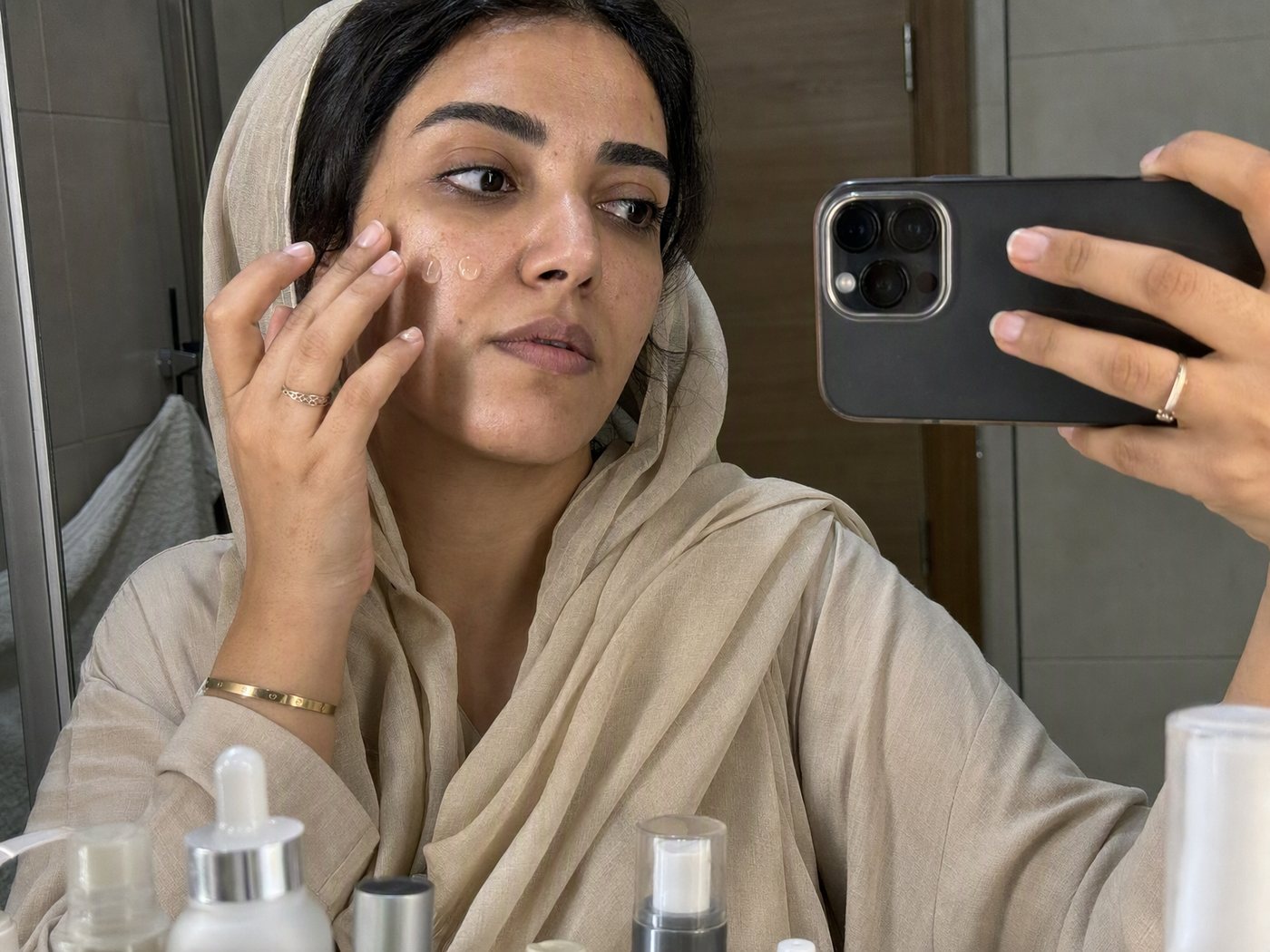
Melasma in the UAE: A Practical Guide to Daily Care
A Sunscreen Routine That Fits UAE Heat
Does Car Window Tint Block UVA? What UAE Drivers Need
Dubai UV Index: How to Plan Sun Protection by Season
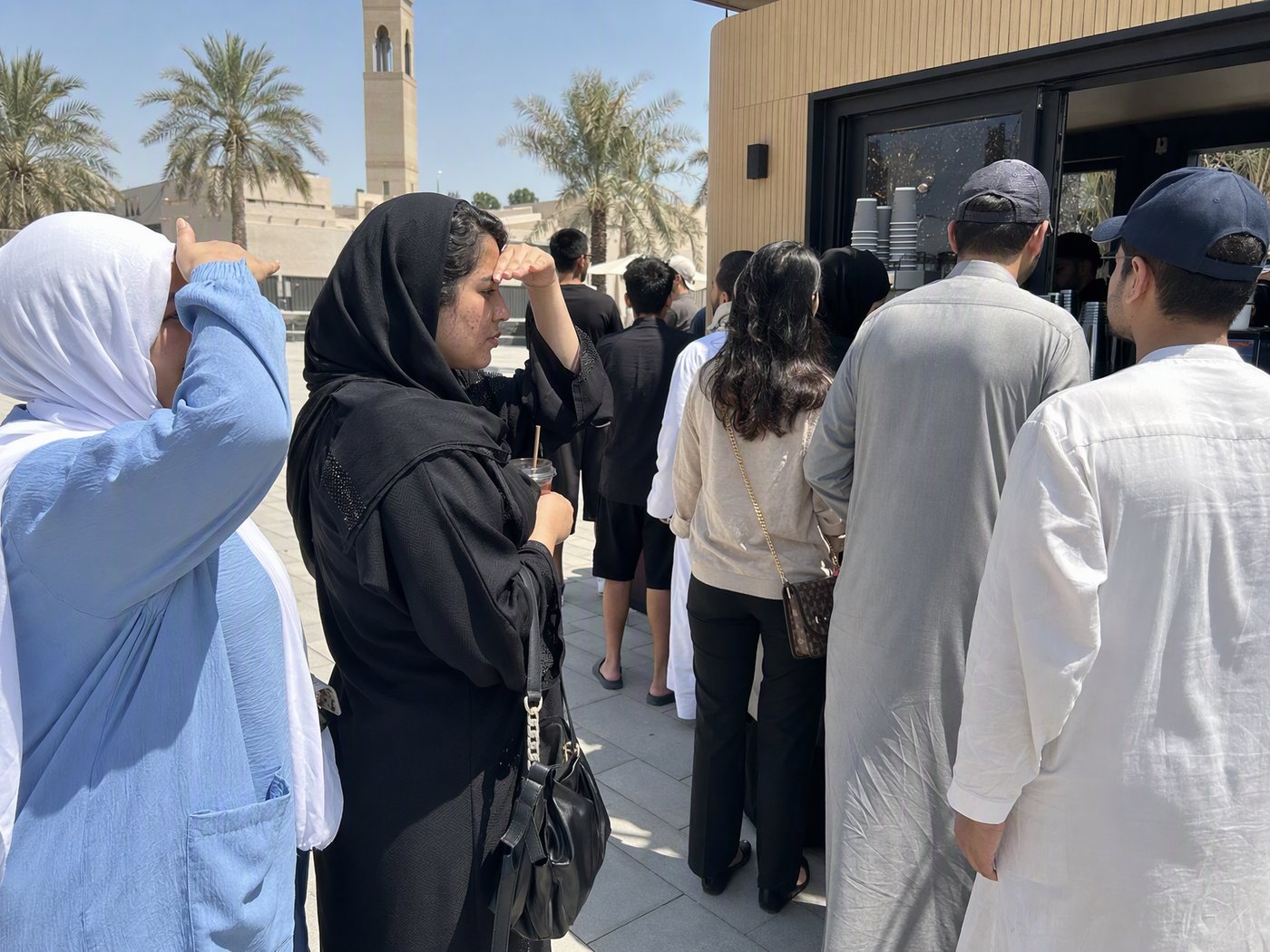
Sun Care Under a Hijab or Shayla: Protecting Exposed Skin
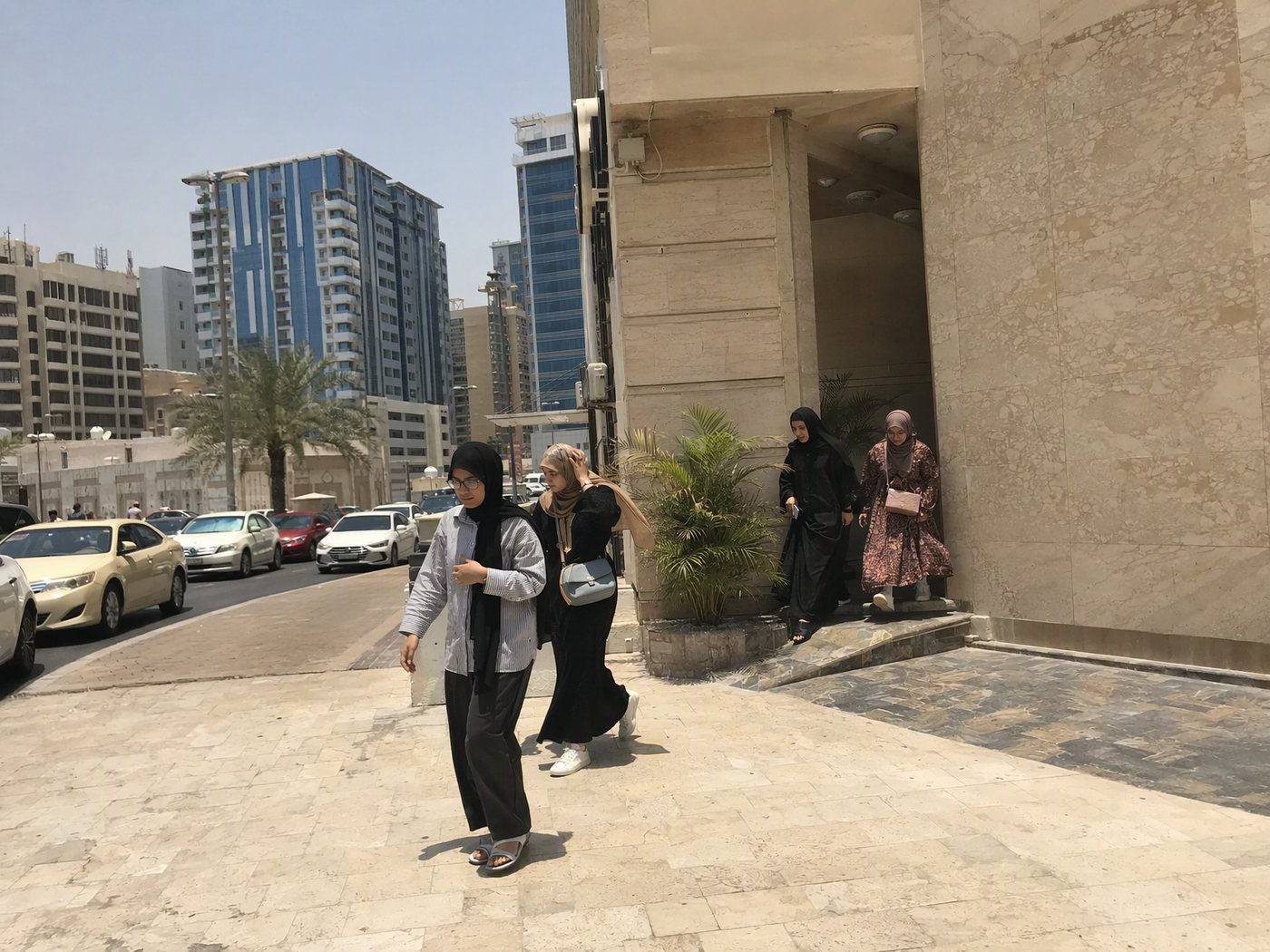
Why Dark Spots Get Worse in Summer—and What Helps
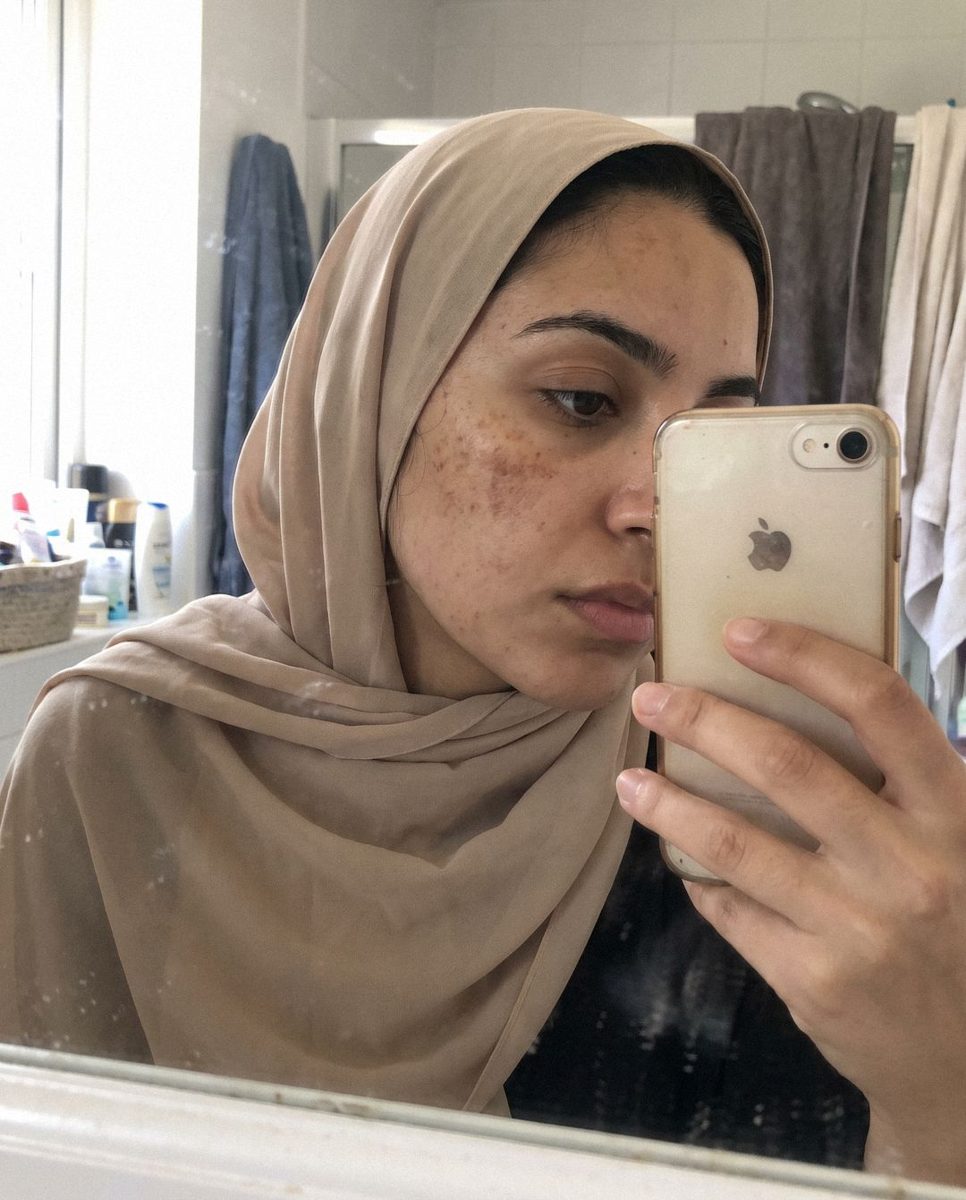
Vitamin C vs Tranexamic Acid for Dark Spots

Pigmentation After Pregnancy: What to Know in the UAE
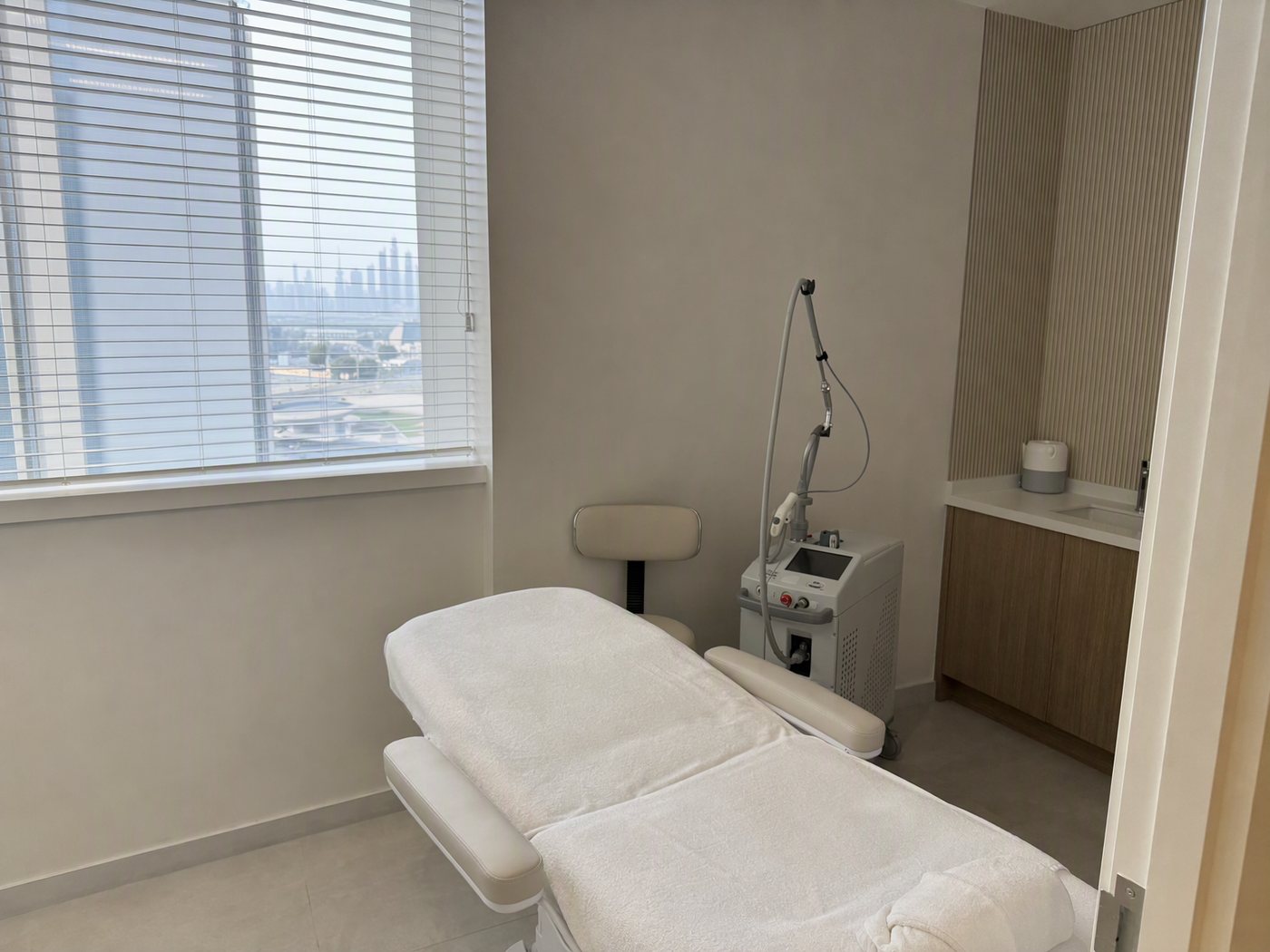
Keeping Laser and Peel Results in UAE Summer


Related terms
Sources
- DermNet: Melasma. dermnetnz.org. Accessed October 2026.
- American Academy of Dermatology: Melasma self-care. aad.org. Accessed October 2026.