
What the number means
SPF measures protection against UVB, the main cause of sunburn. The American Academy of Dermatology recommends SPF 30 or higher and notes that SPF 30 blocks about 97 percent of UVB rays. Higher numbers block slightly more, but no sunscreen blocks all ultraviolet radiation, and a higher SPF does not mean you can stay outside for longer without reapplying.
The rating is measured with a generous layer of product. A 2024 review in Skin Health and Disease explains that SPF testing uses 2 mg of sunscreen per square centimetre of skin, while studies show people often apply far less, which lowers the protection they actually get.
SPF is only half the label
Because SPF is about UVB, look for the words broad spectrum, which mean the product also protects against UVA. The AAD recommends three things together: broad-spectrum protection, SPF 30 or higher, and water resistance. A water-resistant label states either 40 or 80 minutes of protection on wet or sweating skin; no sunscreen is waterproof or sweatproof.
Some sunscreens also show a separate UVA grade. In Asia this is often the PA plus-sign system; in Europe a UVA logo in a circle is used.
Using SPF in UAE heat
Apply to dry skin about 15 minutes before going out, cover the ears, neck, hairline and hands, and use a lip product with SPF 30 or higher. Reapply about every two hours while outdoors and after swimming, heavy sweating or towelling. Indoors and away from windows, the two-hour clock does not keep running down.
Makeup and moisturisers with SPF are useful extras, but most people do not apply enough of them to reach the number on the label. For melasma-prone skin, many dermatologists prefer SPF 50+ in a tinted formula with iron oxides. Keep the bottle out of a hot car, and replace it once it expires or changes colour or texture.
Where this term appears
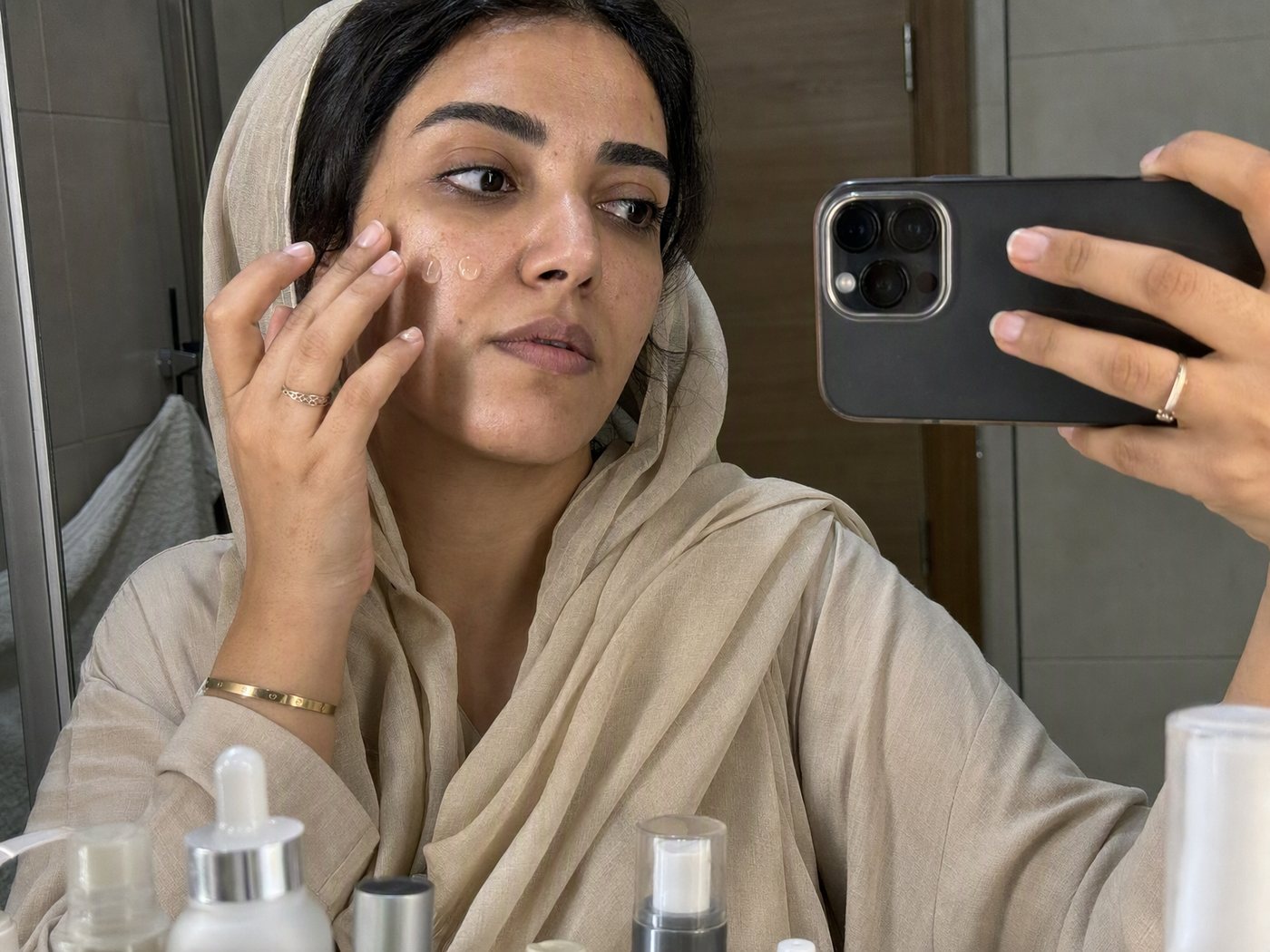
Melasma in the UAE: A Practical Guide to Daily Care
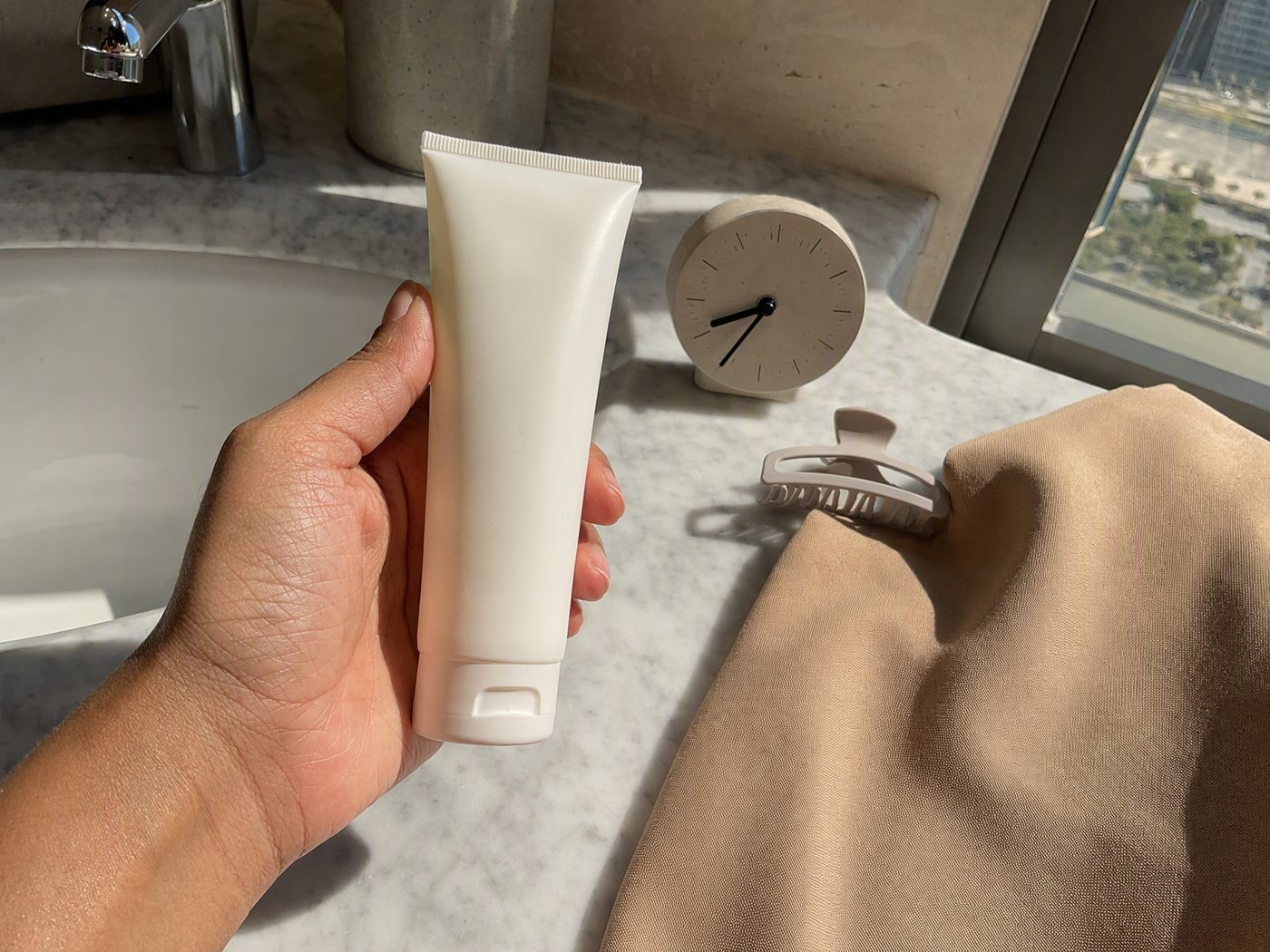
A Sunscreen Routine That Fits UAE Heat
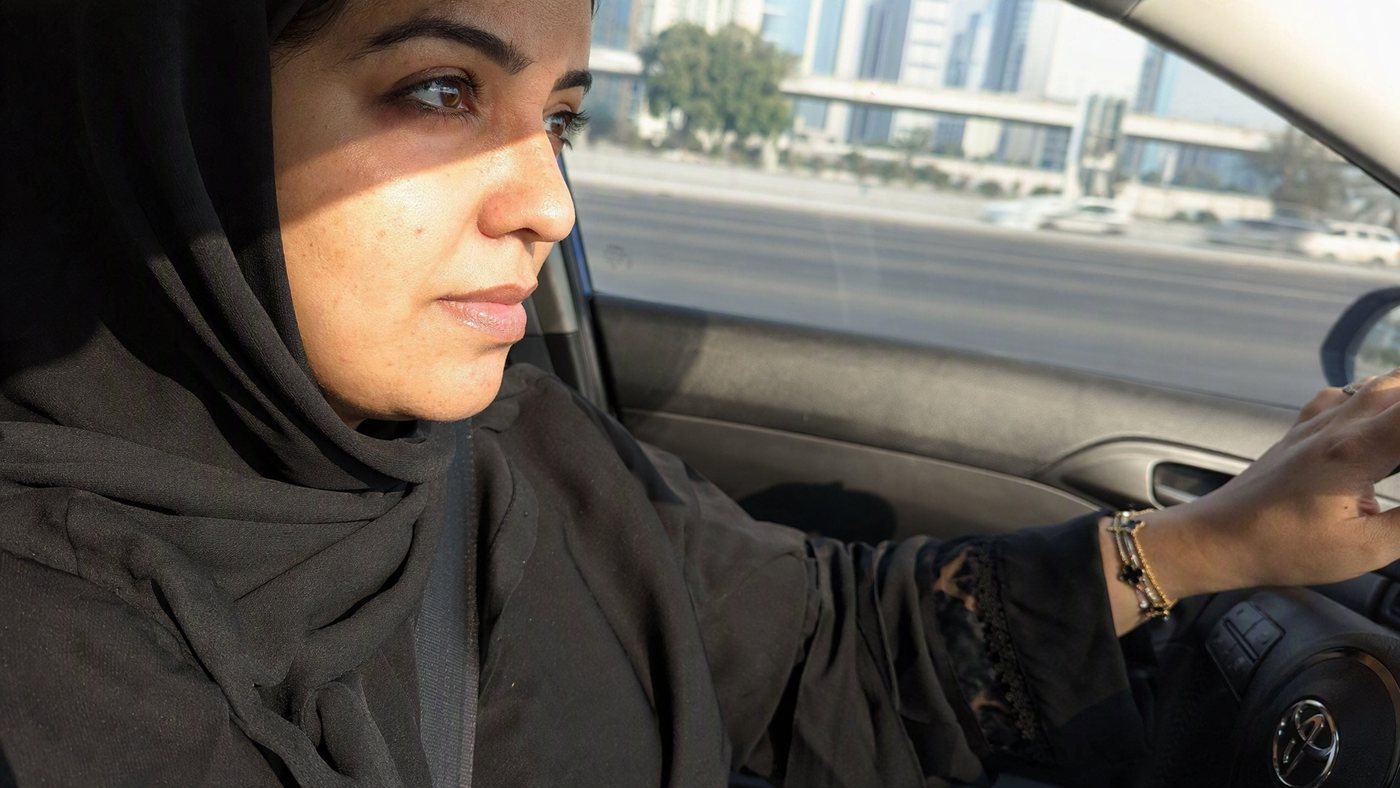
Does Car Window Tint Block UVA? What UAE Drivers Need
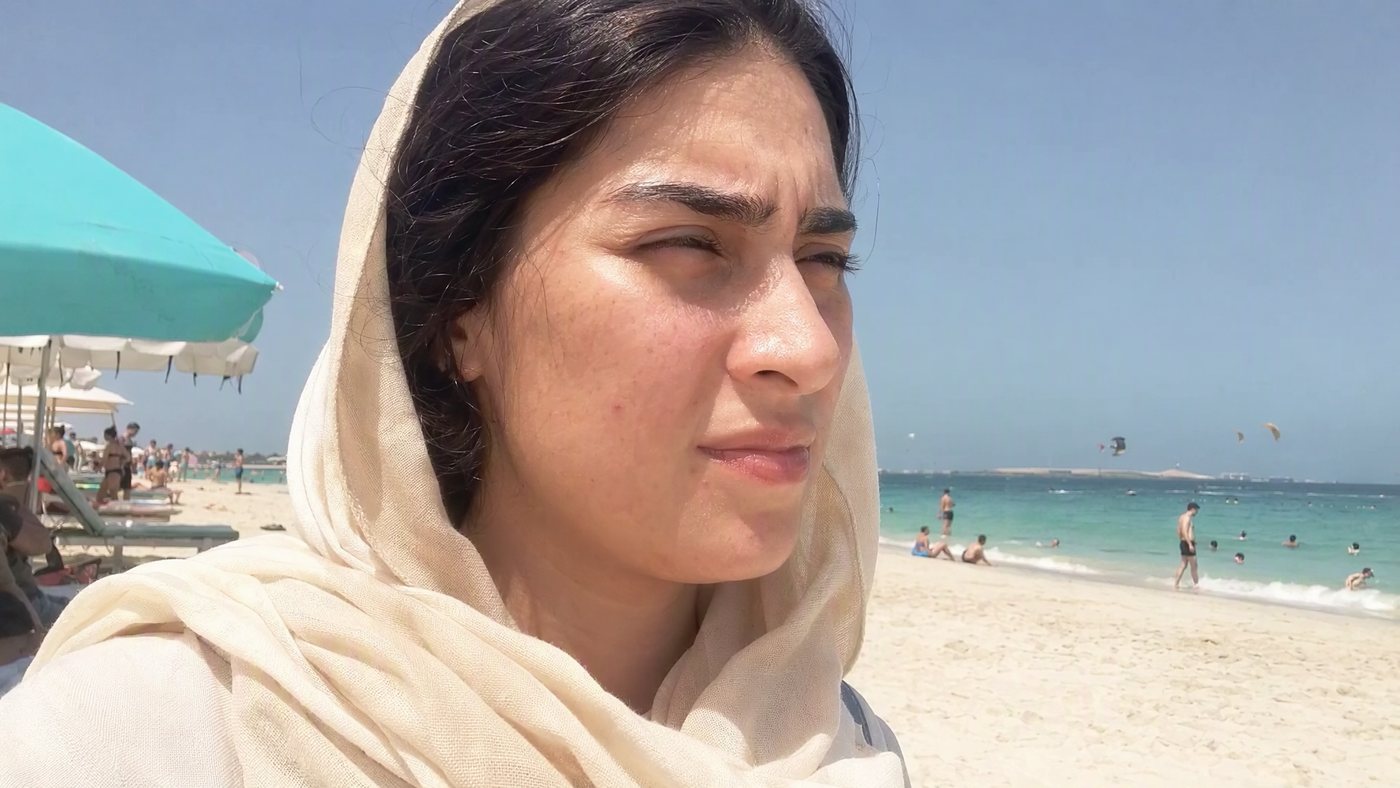
Dubai UV Index: How to Plan Sun Protection by Season
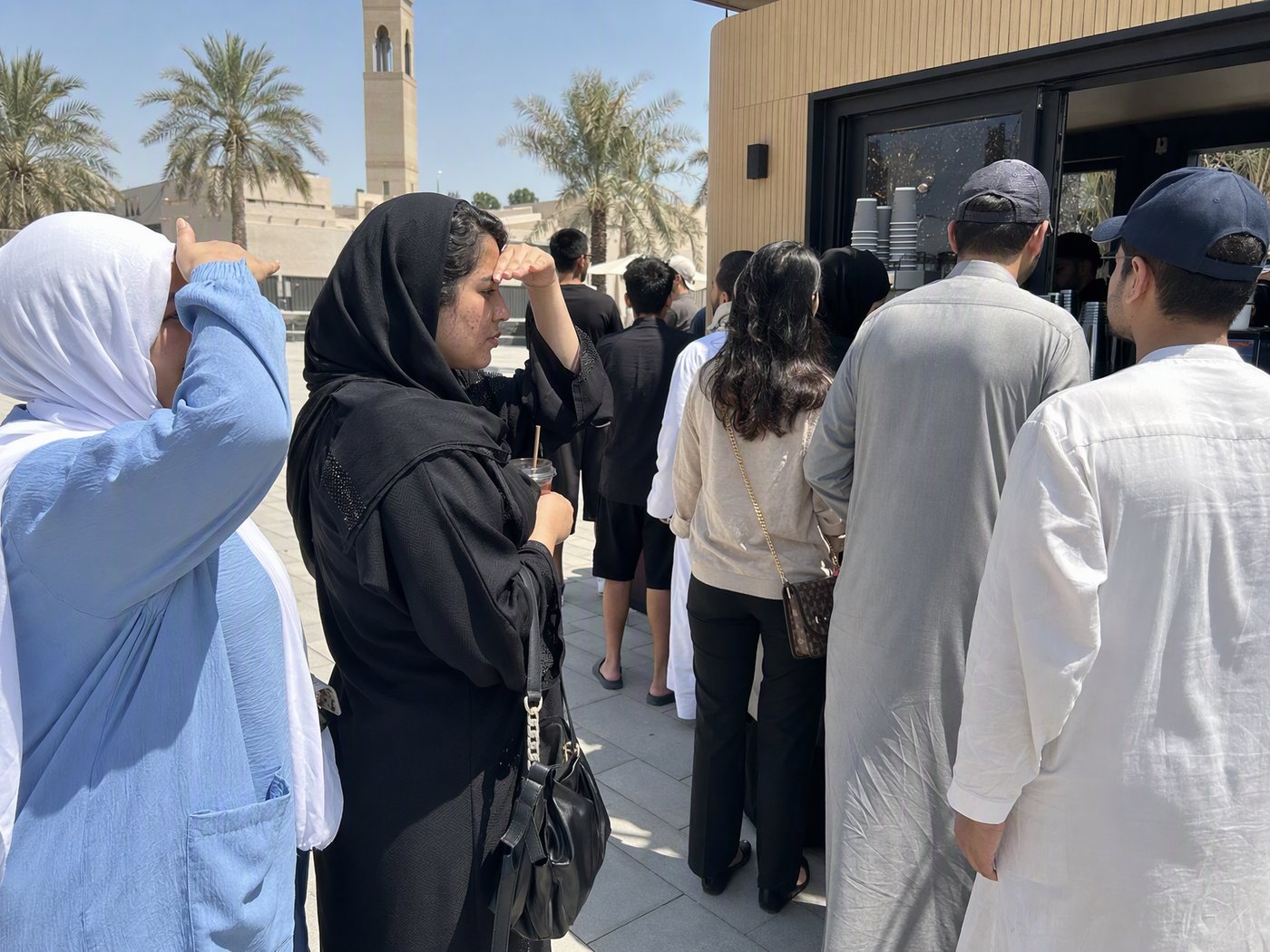
Sun Care Under a Hijab or Shayla: Protecting Exposed Skin
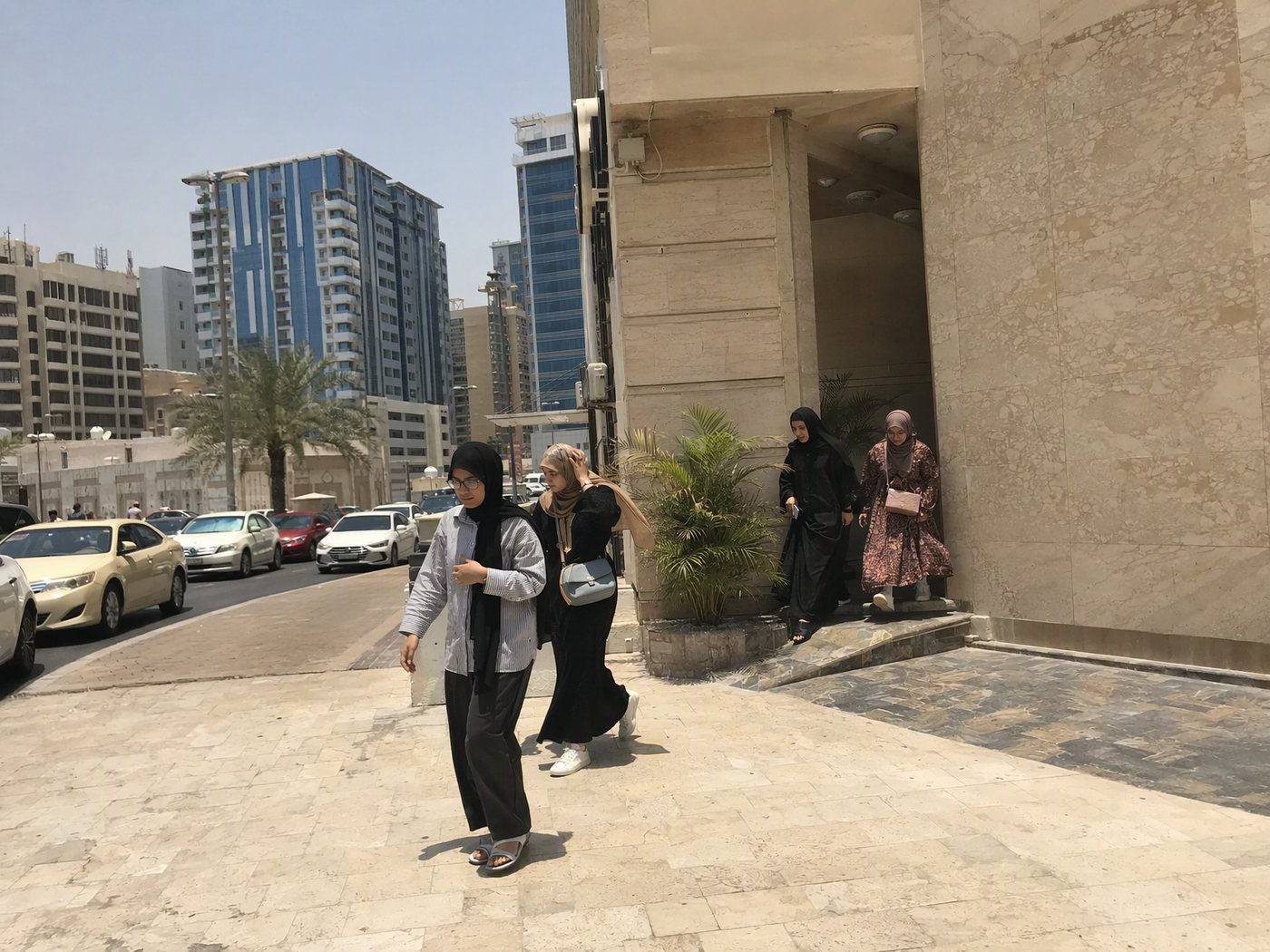
Why Dark Spots Get Worse in Summer—and What Helps

Pigmentation After Pregnancy: What to Know in the UAE
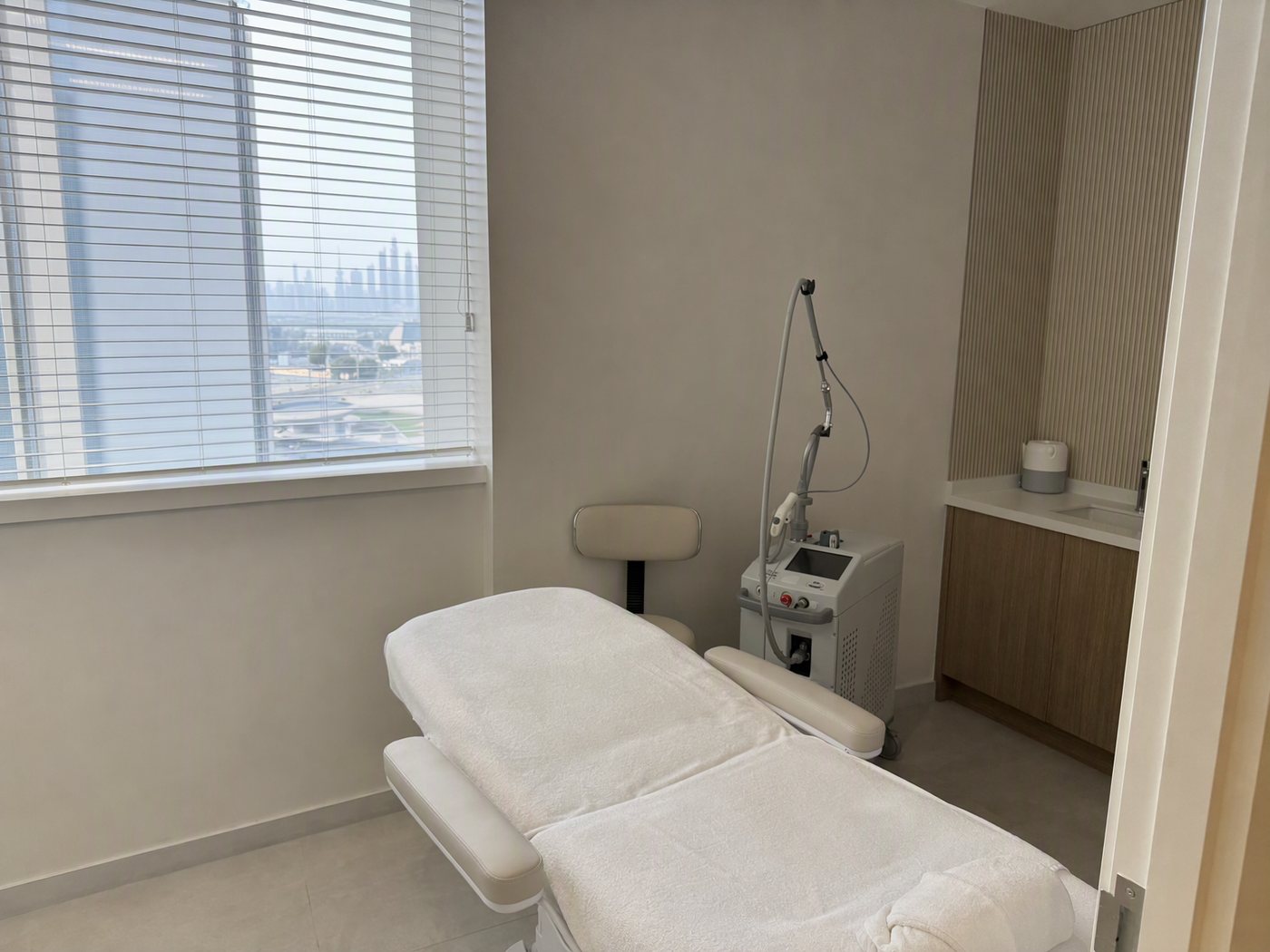
Keeping Laser and Peel Results in UAE Summer


Related terms
Sources
- American Academy of Dermatology: Sunscreen FAQs. aad.org. Accessed October 2026.
- American Academy of Dermatology: How to decode a sunscreen label. aad.org. Accessed October 2026.
- Skin Health and Disease: Sunscreens, a narrative review (2024). europepmc.org. Accessed October 2026.